Simple Analytics Story: Word-of-Mouth Growth to $500K/Yr
A free plan turned privacy-minded users into 1,353+ paying customers through referrals.


In this episode of our RightBlogger customer spotlight series, I’m chatting with Iron Brands, co-owner of Simple Analytics, the privacy-first web analytics platform that’s grown to $500k/yr in revenue almost entirely from word-of-mouth marketing. Their growth story is awesome, I’m excited to share it with you.
👋 Simple Analytics is the free Google Analytics alternative we use to get straightforward, actionable insights on how people are discovering & using our website here at RightBlogger. If digital privacy is one of your priorities, you can make a forever free account with Simple Analytics and take their platform for a spin today. Come watch my conversation with Iron Brands:

If like me, you feel like Google Analytics 4 turned out to be a dumpster fire of jumbled insights, reports that seemingly tell you next to nothing, and an overly complex user experience that truly sucks to navigate… you’re not alone. And this is where Simple Analytics comes in.
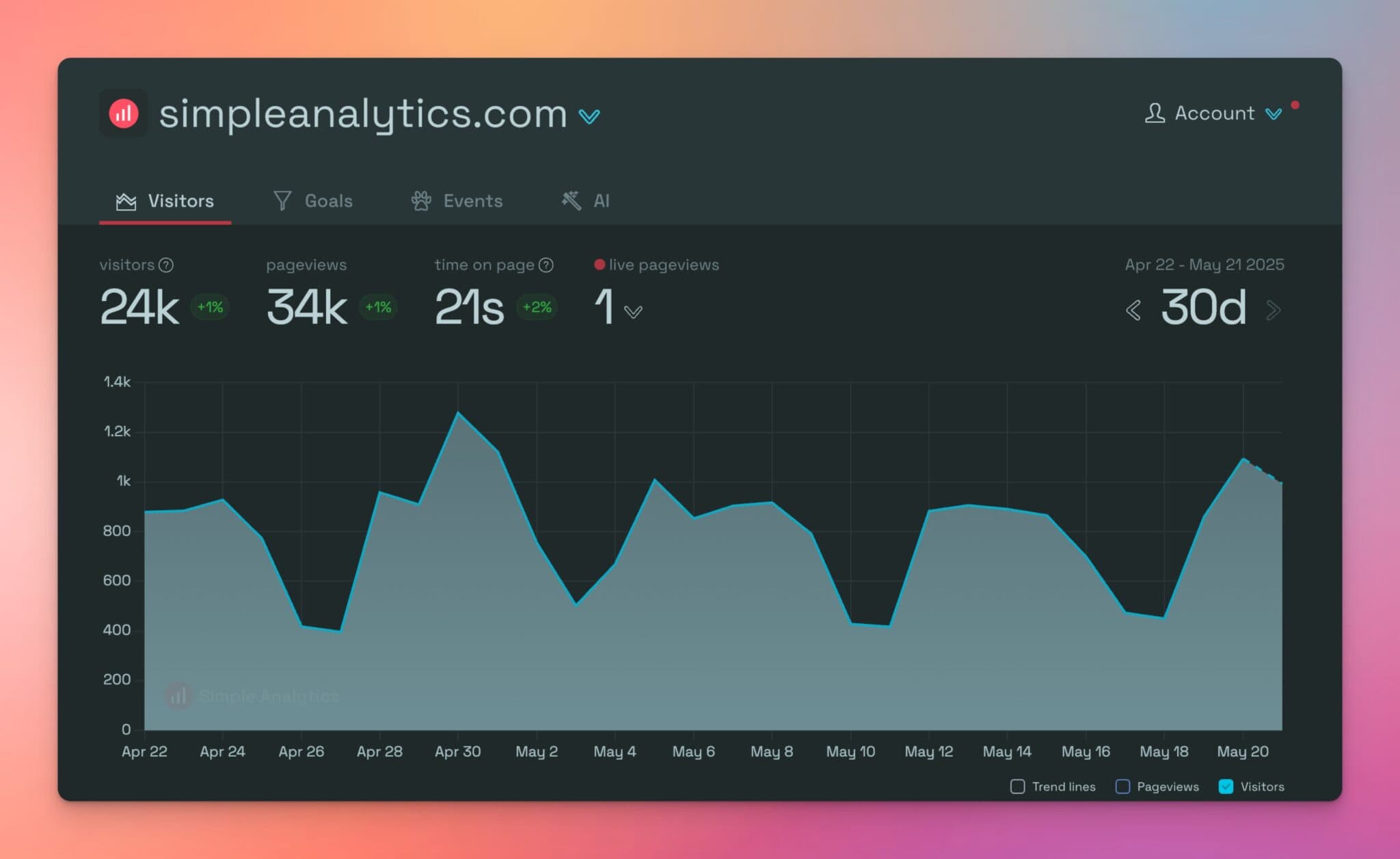
Simple Analytics is designed around a simple premise, creating a simpler way to understand your website’s performance without sacrificing user privacy. Pretty straightforward, right? Here’s a snapshot of our Simple Analytics dashboard, where we track the insights & web activity on 60+ of our most trafficked web properties Andy & I run:
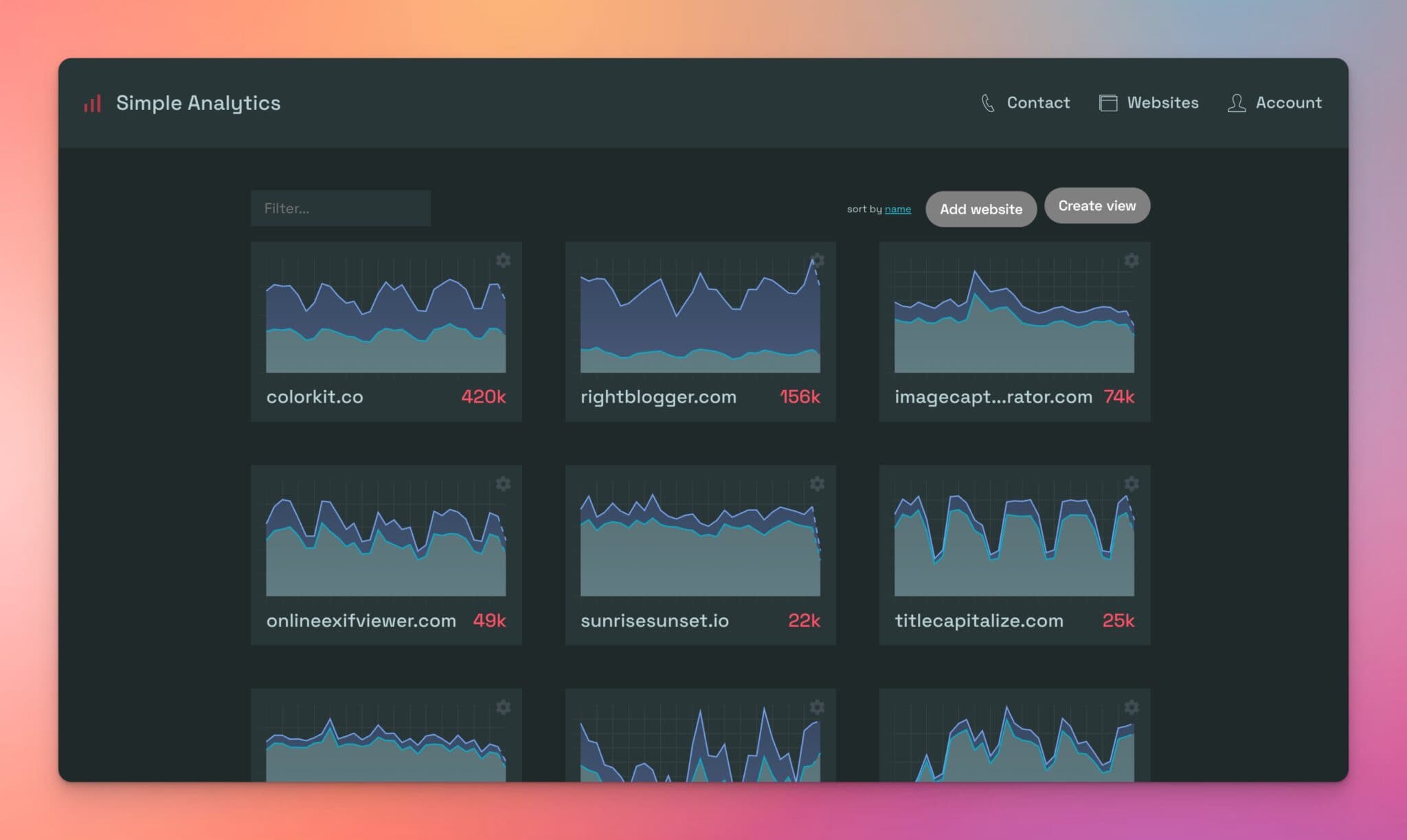
I recently had the pleasure of interviewing Iron Brands, one of the owners of Simple Analytics, and he shared some incredible insights into how they’ve carved out a successful niche in the (extremely) competitive web analytics market.
In the video interview above, we dive deep into their unique business model, their word-of-mouth marketing & growth strategies, and how they’re using AI to boost their small team’s productivity. If you’re more of the like-to-read-it type, I’ve got a recap post for ya below.
The Simple Analytics Origin Story: From Ethical Engineer to Privacy-Focused Analytics
The story of Simple Analytics begins with Adriaan van Rossum, a software engineer who, while working at a development agency, grew increasingly frustrated with Google Analytics’ approach to user privacy.

Adriaan saw a need for a better solution, one that provided valuable insights without compromising ethics. His background as an engineer with a strong sense of personal ethics drove him to seek an alternative to Google Analytics. He wanted a tool that respected user privacy while still providing the essential data website owners needed.
Hacker News Launch and Early Validation
Driven by the desire to provide a privacy-focused analytics solution, Adriaan built the first version of Simple Analytics and launched it on Hacker News.
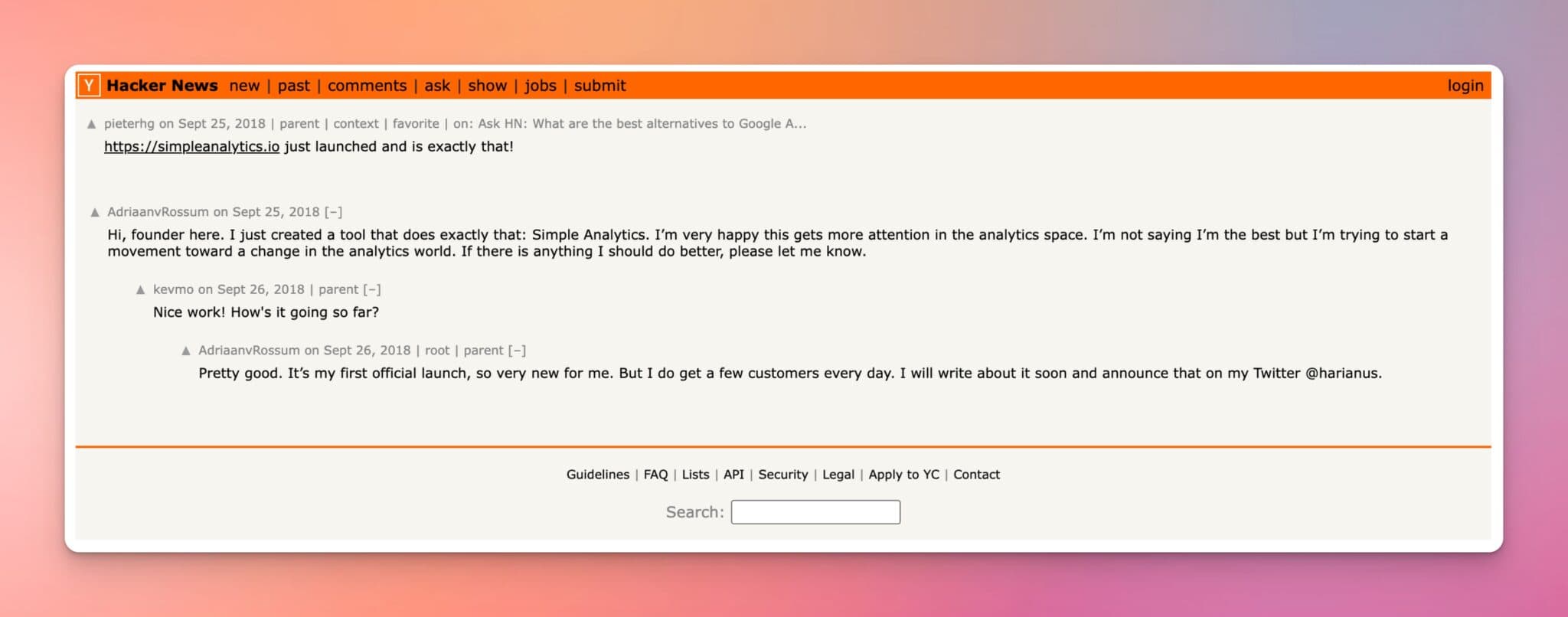
The response was immediate and overwhelmingly positive. People were actively searching for an alternative that aligned with their values.
As Simple Analytics transitioned from a side project into becoming a real business, Iron joined the team to handle the marketing & operations side of things. He brought his expertise to help grow the company and spread the word about their unique approach to web analytics.
Why Privacy Matters: Simple Analytics Core Value Proposition
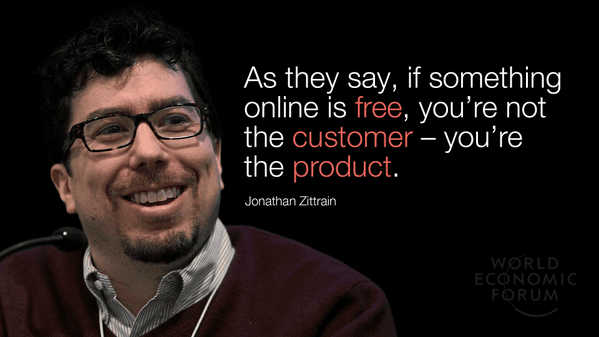
Google Analytics is “free” because they monetize user data, a practice that many find concerning. Simple Analytics takes a different approach, offering a subscription-based model that ensures user data remains private and isn’t sold to advertisers.
Their hypothesis is that there’s inherent value in paying for a service that respects your website visitors. A theory that’s proven successful, as the company’s grown to more than 1,353+ paying customers.
The Impact of Google Analytics 4 (GA4) and an Opportunity
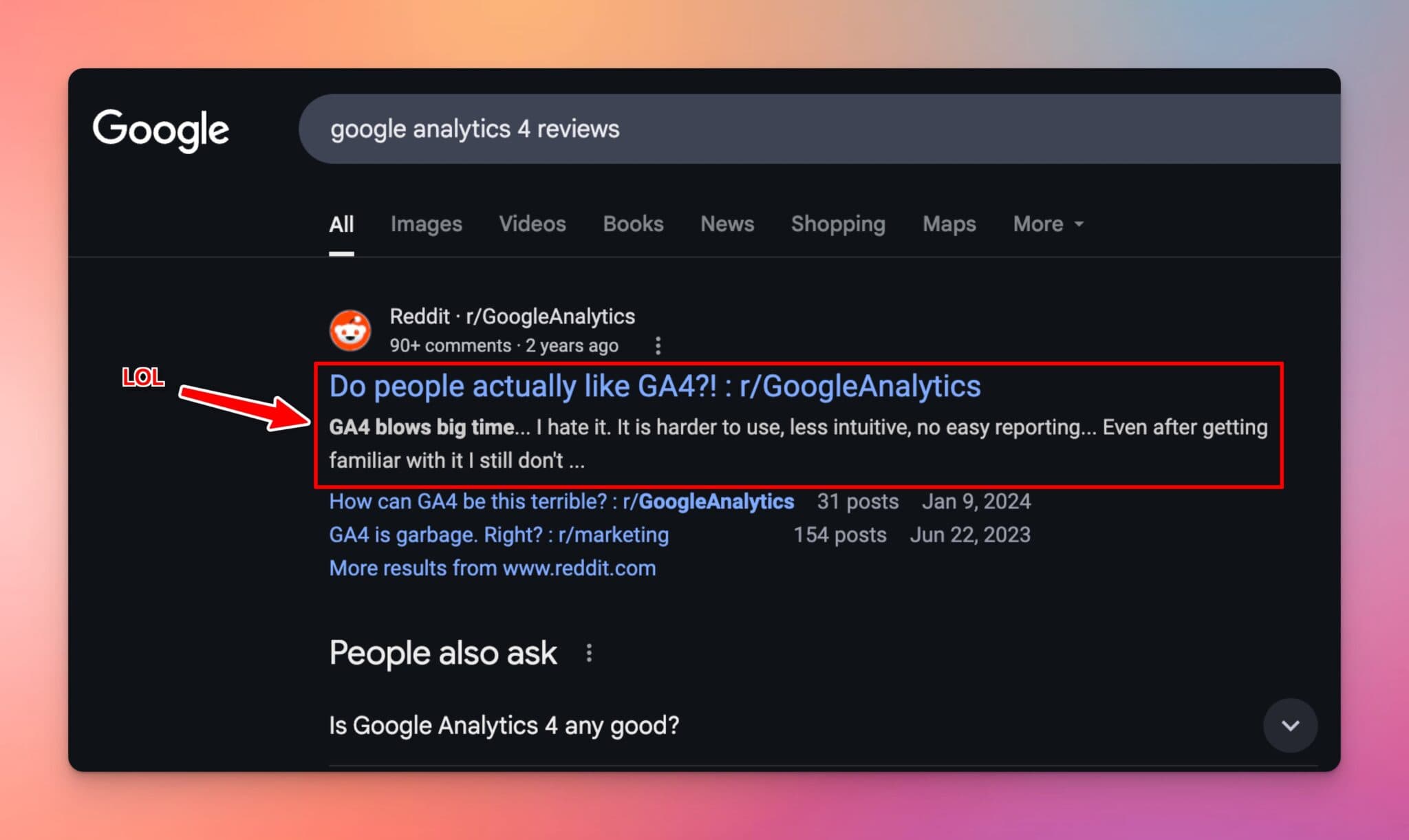
The rollout of Google Analytics 4 (GA4) created mass confusion and frustration for millions of website owners, marketers, SEOs, and agencies around the world. Its complex interface and overwhelming features left many searching for a simpler, more user-friendly alternative. This opened a significant opportunity for Simple Analytics.
Simple Analytics lives up to its name with its user-friendly dashboard and easy-to-understand metrics. You can quickly see where your traffic is coming from, which pages are popular, and even set up simple conversion funnels.
Their analytics experience is designed to provide the essential information you need, without the complexity of GA4.
This makes Simple Analytics perfect for bloggers, small to medium-sized businesses, and anyone who wants a straightforward, privacy-focused analytics solution.
While larger eCommerce companies heavily reliant on Google Ads might still prefer Google Analytics, Simple Analytics caters to those who value simplicity and privacy. If you are looking for other options, check out our list of the top Google Analytics alternatives on the market today.
The Shift to Freemium: Offering Free Simple Analytics Accounts
At first, Simple Analytics focused only on a paid subscription model. This allowed them to prioritize privacy and avoid selling user data. However, competing with a free product like Google Analytics that offered a wider range of features was a challenge.
To reach a wider audience, Simple Analytics introduced a free plan for users with non-monetized websites. This allowed more people to experience the simplicity and privacy of Simple Analytics without any financial commitment.
Free Accounts and a Word-of-Mouth Marketing Boost
The free plan has exploded word-of-mouth marketing results for Simple Analytics. Because the product is so good, free users often recommend the tool to their employers, friends, or colleagues, leading to new paid subscriptions too.
Because the company is bootstrapped and focused on sustainable growth, they prioritize building meaningful relationships with their users and delivering consistent value over time. This long-term focus has been key to their success.
Growth and Marketing Insights: Lessons Learned
Simple Analytics initially focused on SEO, targeting long-tail keywords and low-hanging fruit topics where they could create valuable content and help people searching for better analytics solutions.
Key Takeaway: Getting SEO traffic from content marketing required significant effort before the advent of AI-powered tools like RightBlogger.
Scaling SEO Traffic with AI Content
AI tools have enabled Simple Analytics to scale their SEO efforts by creating more content and targeting more keywords, faster, by using tools like RightBlogger. Here are a couple of their top use cases for AI with content:
- Blog Posts and How-To Pages: Iron and his team emphasize the importance of human oversight when using AI tools to create educational content, and editing to maintain quality & authenticity.
- Use Case Landing Pages: They can now generate templated pages for specific use cases, such as adding Simple Analytics to different popular website platforms.
All in all, Artificial Intelligence allows Simple Analytics to achieve more growth without a large team. Their case study is a fantastic example of the potential for entrepreneurs to accomplish more with fewer resources.
AI-Powered Productivity: Enhancing (Not Replacing) Human Effort
Like all startup teams I know today, Simple Analytics requires its developers to use AI tools to enhance their productivity. AI can automate repetitive tasks, generate code snippets, and help developers work more efficiently in many ways.
Custom GPT and Tone of Voice
To ensure consistency in their content, Simple Analytics trained a custom GPT model on their own internal knowledge base they’ve compiled & collected over the years.
Having their own custom GPT helps maintain a consistent tone of voice and brand identity in the AI-generated content they produce.
The key takeaway? It’s about humans and machines working together in ways that produce positive outcomes. Join our AI Foundations course for a deep dive on how to create great content with the help of AI, today.
Embracing the Opportunity: An AI Mindset Shift
Instead of fearing AI, Iron invites everyone to view it simply as a tool for enhancing your skills and creating new opportunities. A proactive mindset and a willingness to adapt to new technologies have always essential for success in business, artificial intelligence is just a new evolution in this cycle.
AI and other tools have made it easier than ever to start a business or create content. Don’t let the fear of competition hold you back, take action and start building your dream today.
Plus, diversifying your income sources is one of the smartest moves you can make in today’s economy. Having a side project or business to fall back on can provide financial security and peace of mind.
Final Takeaways on Growing a $500k/yr SaaS
Adriaan & Iron’s story of Simple Analytics is a testament to the power of simplicity, privacy, and taking action.
Simple Analytics found success by offering a user-friendly, privacy-focused alternative to Google Analytics, and by embracing AI to enhance their productivity.
Whether you’re a blogger, a small business owner, or an aspiring entrepreneur, I hope this interview has inspired you to pursue your dreams and build something meaningful to you.
Check out Simple Analytics to learn more and give their platform a try.
Don’t forget to join our free AI Foundations course for more insights and actionable tips on how to grow your traffic with the help of AI today.
Complete Blog Automation in Minutes
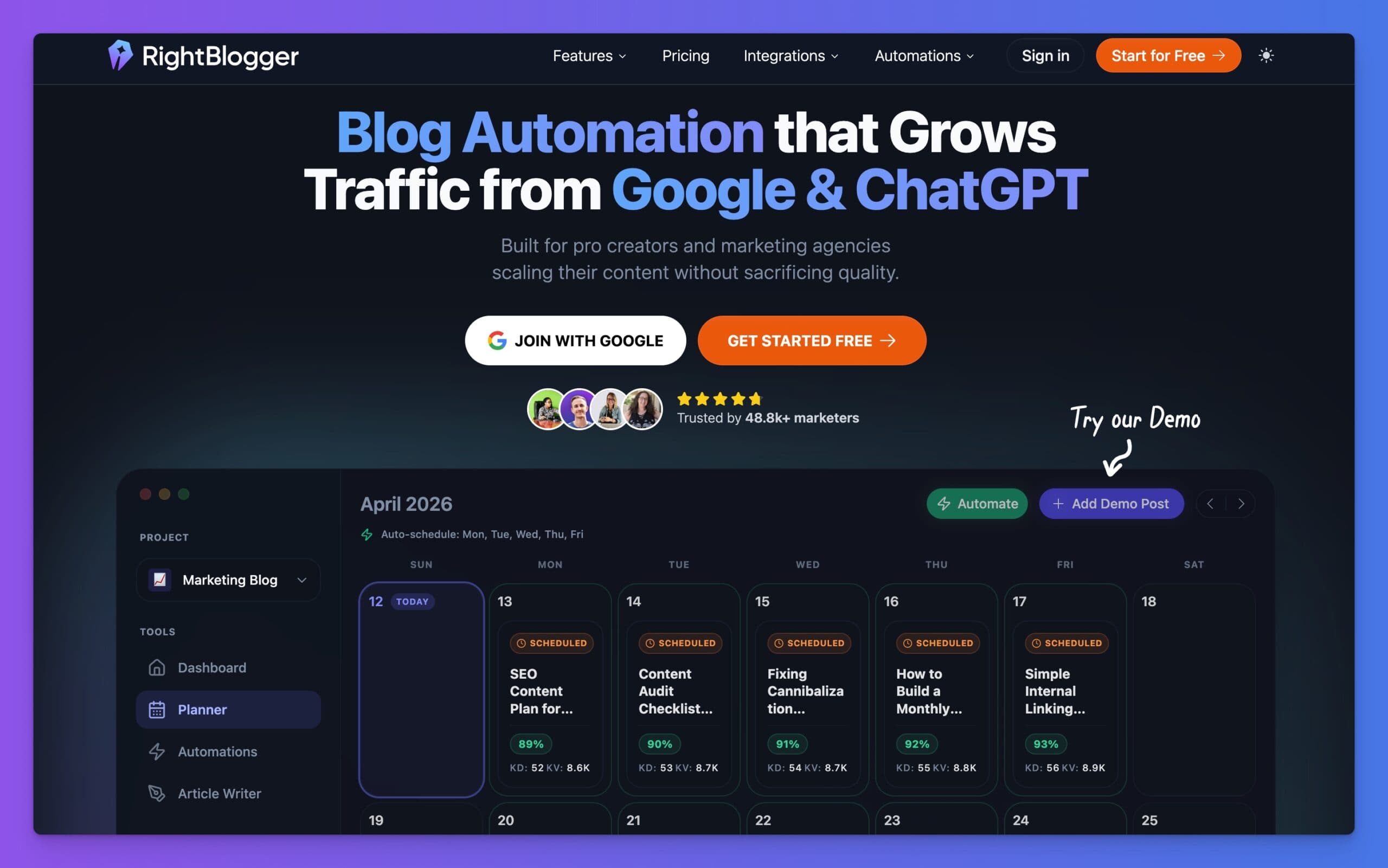
RightBlogger is an AI blog automation tool that helps you research, write, publish, promote, and maintain your blog. Join 50,000+ bloggers, creators, and marketing teams using it to grow traffic from Google and ChatGPT, with 80+ standalone tools, online courses, and a private community included on every plan.

Article by
RightBlogger Co-Founder, Ryan Robinson teaches 500,000 monthly readers how to build meaningful online businesses. He is a recovering side project addict.




Automated SEO Blog Posts That Work
Try RightBlogger for free, we know you'll love it.





Leave a comment
You must be logged in to comment.
Loading comments...