AI Bulk Publishing: Worth it or Waste of Time for Bloggers?
For most blogs, steady, reviewed posts beat 100 unedited AI articles published overnight.

The term “bulk publishing” has been making its way around the AI & content marketing spaces for a while now. And I get the appeal, AI bulk publishing sounds amazing on paper. Generate dozens, even hundreds of blog posts and watch traffic roll in? Who wouldn’t want that? But here’s the thing: for most people, AI bulk publishing is still a fast track to failure.
That said, the tools have changed a lot since this conversation started. AI content assistants are smarter, publishing workflows are more refined, and there are real ways to scale content production without cutting corners. Today, I’m going to break down why raw bulk publishing still doesn’t work, and show you what an AI-assisted publishing workflow actually looks like when it’s done right.

Does AI Bulk Publishing Work?
For 95% of bloggers, no. The idea that the sheer volume of posts you publish will send a flood of traffic from search engines suddenly ranking your content, is wishful thinking for most websites. Most…

If your website has been around for a while, has some established domain authority, a portfolio of high quality content already getting SEO traffic, then AI bulk publishing can sometimes reap short-term rewards. Even if you do get a traffic bump, it’s highly unlikely to remain for long.
Here’s why: AI-generated content is always still, well… AI-created. Without the human touch, personality, heart, connection to the reader through the screen, it’s easy for purely AI-written articles to feel flat, generic, and more importantly (to Google), low quality.
Yes, AI has quickly come a long way in automating the more repetitive and formulaic writing tasks, but turning that into a sustainable long-term strategy? Not so much. Google loves quality, not quantity, especially these days.
The Fundamental Problems of AI Bulk Publishing
First, let’s get clear on what exactly we’re talking about when I say AI bulk publishing, and get the lay of the land for discussing this.
- What: AI bulk publishing involves creating massive amounts of content (think 10-100 or more blog posts in a day), often almost entirely generated by AI with little to no human guidance, then publishing them all at once or in quick succession.
- Why (The Misguided Hope): The promise (hope) of AI bulk publishing is that by AI generating a few hundred articles and publishing them, you can easily drive massive amounts of traffic to your website with almost no effort. Anytime you’re tempted by the promise of great results with little to no effort, it’s a good signal to proceed with caution. Even if this works right now, the inherent exploitation problem with this working, means it won’t for long.
The Appeal of AI Bulk Publishing
If you’ve heard about bulk publishing, you’ve likely heard the promises:
- 💡 Publish more content faster
- 💡 Get ranked quickly on search engines
- 💡 Earn passive, automated income
Those who push this model make it sound like the golden ticket to easy online money. Who doesn’t want less work and more traffic? (Spoiler alert: this isn’t a cakewalk)
Most of the people touting this strategy are also conveniently selling you the tools to make it happen. Bulk AI-content generators, anyone? Be careful, because while they tell you it’ll work, they aren’t sharing what happens weeks or months down the line when Google starts flagging your site.
I warn you about the risk of AI bulk publishing, as one of the makers of RightBlogger, my own set of powerful content creation tools, powered by AI. Using AI for bulk publishing is very high risk.
The Reality of Bulk Publishing
Sadly, bulk publishing doesn’t work for most websites, especially new sites. Can it work in the short-term for more established platforms? Maybe. But that’s a big maybe, and only for a short while. Google has been cracking down harder and harder on thin, automated content. If Google senses a site is filled with low-quality, barely-human-checked posts, that site’s traffic is going to inevitably tank.
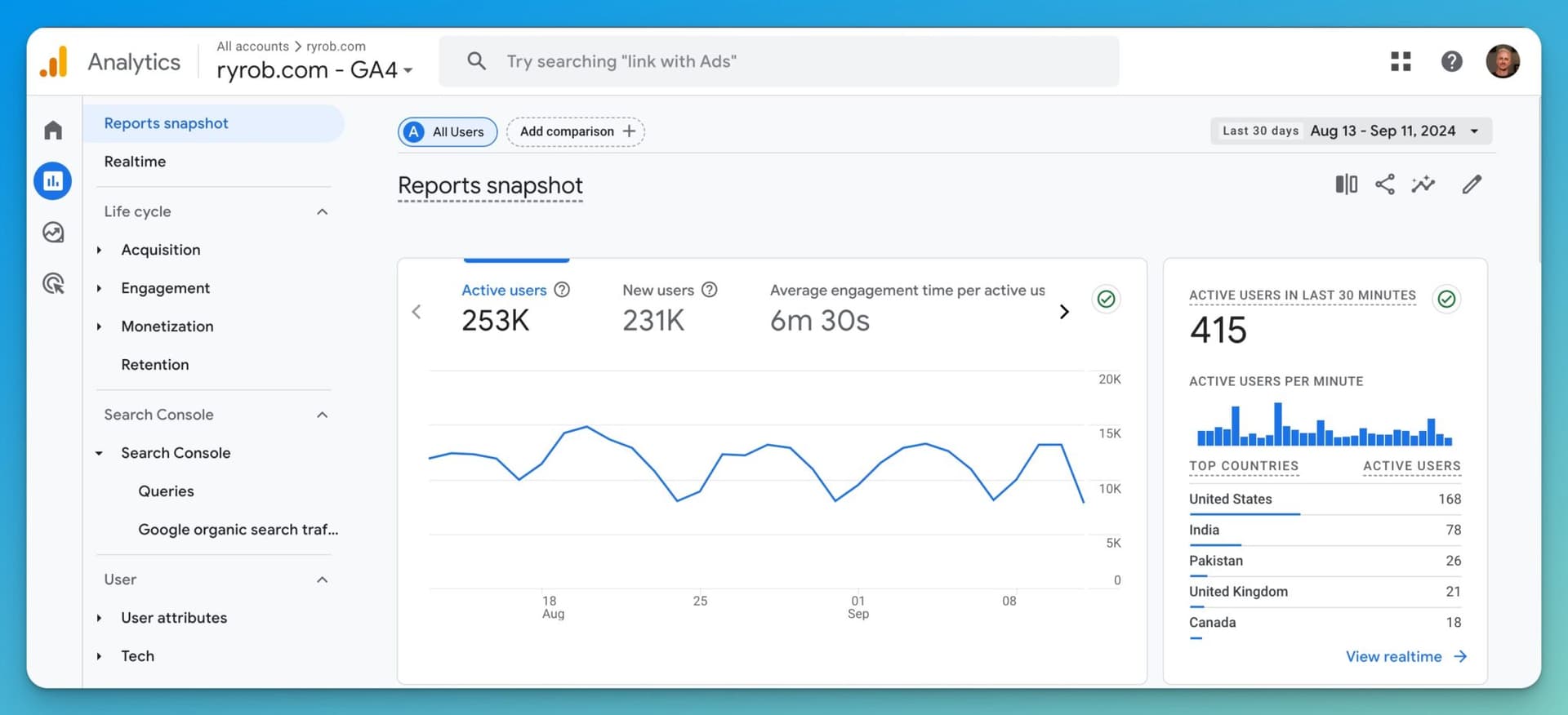
AI bulk published content has to eventually be punished, because it’s in Google’s own business interest, to deliver their users a good search experience. And good search experiences are (arguably) designed to lead you to the best, most useful, highest quality content on the subject at-hand.
I’ve watched sites get a bump in the beginning, only to be hammered later in updates. It’s a short-term game and not a particularly smart one (if you want to be successful in the long run).
If you’re wondering, “But what about the big players? Don’t some successful sites still bulk-publish?” Sure, for a site that’s already been around for years and has a strong track record, they might get away with it for a bit longer. But why risk it?
The Current Landscape of AI in Content Marketing
AI has definitely given content creators some fantastic tools to work with, tools like ChatGPT allow us to speed up tasks and get ideas flowing. But embracing AI without any human involvement is where people go wrong.
Successful content today usually comes from a mix of AI efficiency plus human oversight and editing. AI can be a great assistant, but if you’re relying on it alone, you’re just handing Google the perfect excuse to penalize your site.
AI for content marketers should be a tool, not the whole strategy (more on how marketers can effectively use AI here).
The Importance of Human Involvement
Here’s the biggest takeaway: human involvement matters A LOT.

The AI content that succeeds today is the content where humans have intervened, not just at the final proofreading stage but during the idea generation and creativity phases. Even a 15-minute human edit can fix the voice, clarity, and trust issues that pure AI output always has.
Why? Because humans bring nuance, emotion, and personal insights that a robot can’t (yet) replicate. Some of the most successful AI-assisted content I’ve published has a careful balance between automation and human touch.
It doesn’t stop at writing. Humans also play a crucial role in the editing process to ensure the output looks, feels, and reads natural. The more organic a post feels, the better chance you have of standing out in an increasingly AI-cluttered world.
Debunking the Myths
Sure, bulk publishing sounds like an easy way to stay ahead of the game, but let’s not kid ourselves:
- “You can make money fast!”, Not really. Bulk AI-driven sites often rely on low-effort affiliate links or banner ads, both of which are unreliable.
- “Google won’t know.”, Believe me, Google knows. AI content that lacks depth will eventually drop like a stone.
- “It’s easier than manual writing.”, Sure, it’s faster, but is it better? Ask anyone who’s tried bulk publishing about their traffic numbers a few months later.
People pushing these arguments are often the same ones who make affiliate earnings off the bulk publishing tools they promote. Always follow the motive behind hype.
Pitfalls of Over-Reliance on AI
AI can generate, but AI isn’t perfect. Google’s increasingly sophisticated algorithms understand this. Even though AI detection isn’t an immediate deal-breaker, if your blog is clearly nothing more than mass-produced junk, you’ll get penalized eventually.
The risk of going all-in with AI content is this:
- 🚨 Google penalties are real.
- 🚨 Your audience may become disengaged if they find your articles lack depth and personalization.
Use AI to augment or assist your efforts, but don’t let it become the driver of your strategy. AI should shine a light on your process (explore safe AI content practices here).
Who Benefits from AI Bulk Publishing Tools?
Who benefits the most from these bulk-publishing promises? Not the bloggers. As I’ve said, it’s the tool creators themselves pushing this technology to maximize their earnings. Many of these bulk-publishing advocates are affiliates who take a cut every time you buy into the fast-pass solution.
The harsh truth: they’re making money off your struggle. The better tools in this space, the ones worth using, are built around the idea that AI handles the heavy lifting while you stay involved. Look for that model instead of shortcuts that crumble with one algorithm update.
What Smart AI-Assisted Publishing Actually Looks Like
If not bulk publishing, then what? Scaled, AI-assisted publishing with you in the loop. There’s a big difference between dumping 100 AI posts on your site overnight and building a real content operation where AI handles the grunt work and you bring the expertise.

The 80/20 Rule: AI Builds the Foundation, You Add the Expertise
The bloggers who are actually winning with AI content right now aren’t bulk publishing. They’re using AI to handle the 80% that used to eat up all their time, research, outlines, first drafts, formatting, SEO meta, and scheduling. Then they spend their own time on the 20% that matters: personal experience, strong opinions, real examples, and screenshots from their actual work.
That’s the difference between “bulk publishing” and “scaled publishing.” One is a content slot machine. The other is a real production system where AI does the repetitive work and you add the parts that make readers trust you.
RightBlogger’s Content Planner is built around this model. You set up your topics, AI generates drafts with SEO optimization and internal links already in place, and you review before anything goes live. If you want a walkthrough of the full setup, here’s how to automate your blog posts step by step.
Why Review-First Mode Matters
Here’s my strong recommendation: never auto-publish AI content without at least a quick review. I know it’s tempting, especially when you can queue up a month of posts in one sitting. But even 10 minutes per post makes the difference between generic AI output and something readers actually connect with.
RightBlogger’s Content Planner lets you publish to “Draft” or “Pending Review” status, so nothing goes live until you’ve looked at it. Pair that with MyTone (which learns your writing voice from samples you provide) and you’re starting from a draft that already sounds like you, not a robot.
The goal isn’t perfection. It’s catching the stuff AI always gets wrong: hollow claims, missing context from your real experience, and that “written by a committee” feeling that turns readers away.
Consistent Publishing Beats Bulk Dumps
Publishing 100 posts in one day is a red flag. Google sees that pattern, and it screams automation, because it is. A consistent schedule of 3-5 well-reviewed posts per week signals a real, active site with a human behind it.
Plan your content calendar around keyword research and topic clusters, not random ideas. Use bulk scheduling tools to set your publishing pace weeks in advance, then let AI generate drafts on schedule while you review each one before it goes live. This approach builds topical authority the way Google rewards, steadily, with depth on related topics, not by flooding your site overnight.
If you’re evaluating tools for this workflow, I’ve tested the best autoblogging tools currently available and ranked them by how well they balance automation with quality.
AI Bulk Publishing Isn’t the Answer, But AI-Assisted Publishing Is
AI bulk-publishing, the kind where you generate 100 posts and publish them without looking, is still a trap for most people. That hasn’t changed. But the conversation has moved beyond “should you use AI for content?” The answer is obviously yes.
The real question is how involved you stay in the process. Use AI to handle the repetitive work: drafts, formatting, SEO optimization, scheduling. Then show up for the 10-20 minutes it takes to add your voice, fix anything that sounds off, and make sure the content genuinely helps your reader.
That’s not bulk publishing. That’s building a real blog with AI as your assistant, not your replacement.

Article by
RightBlogger Co-Founder, Ryan Robinson teaches 500,000 monthly readers how to grow online businesses. He's a recovering side project addict.




Automated SEO Blog Posts That Work
Try RightBlogger for free, we know you'll love it.





Leave a comment
You must be logged in to comment.
Loading comments...